
What Food Brands Should Know About UPFs Today
Ultra-processed foods (UPFs) are quickly becoming one of the most important—and least defined—regulatory conversations in the industry.
Ultra-processed foods (UPFs) are quickly becoming one of the most important—and least defined—regulatory conversations in the food and beverage industry.
What began as a public health discussion is now moving into federal definition-setting, school meal policy, and potential front-of-package labeling frameworks. For product developers, brands, and co-packers, this shift introduces both risk and opportunity.
The companies that respond early will be better positioned to adapt their portfolios, support institutional customers, and navigate future labeling expectations.
The U.S. does not yet have a formal regulatory definition of ultra-processed foods—but that is actively changing.
Federal agencies are evaluating how UPFs should be defined and incorporated into nutrition guidance. At the same time, policymakers are expanding the conversation beyond nutrients to include processing, formulation, and ingredient systems.
This signals a structural shift:
From nutrient-based scrutiny → to formulation-based scrutiny
From “what’s in it” → to “how it’s made”
From voluntary positioning → to potential policy influence
For industry, this creates a moving target—and a critical window to prepare.
Why UPFs matter now

School food programs are emerging as the most immediate testing ground for UPF-related policy.
Federal guidance is already pushing toward whole, minimally processed foods in public feeding programs. Meanwhile, states are beginning to explore restrictions tied to additives, formulation, and processing levels in school environments.
This matters because school policy often expands outward.
What starts in K-12 programs can influence:
Institutional procurement standards
Retail expectations (especially family-oriented brands)
Product eligibility for government-supported programs
Broader regulatory frameworks over time
For brands supplying these channels, school meals are not a niche—they are an early signal.
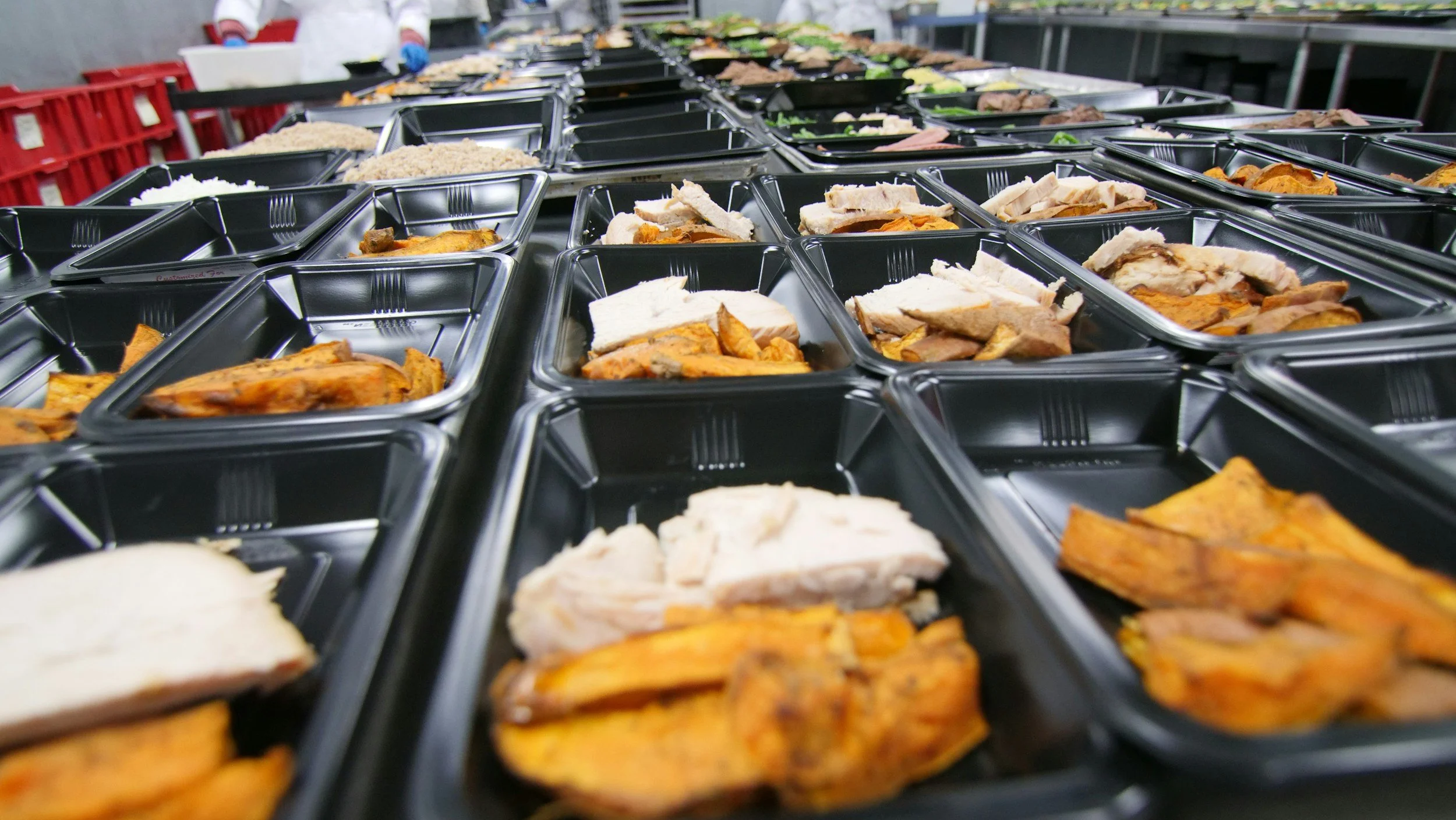
School lunches: where policy becomes practice

Product developers need to do this
Regulatory clarity is still evolving—but waiting for final definitions is not a strategy.
Companies can act now to reduce exposure and improve flexibility.
Portfolio Triage
Identify SKUs that rely heavily on complex additive systems, engineered textures, or multi-layered processing.
Ingredient Strategy
Explore opportunities to simplify formulations without compromising safety, shelf life, or consumer acceptance.
Institutional Alignment
Evaluate how products perform against emerging expectations in school and public-sector procurement.
Claims Discipline
Reassess positioning around “natural,” “clean,” and “minimally processed” as scrutiny increases.
Labeling is the next pressure point
Front-of-package (FOP) labeling is gaining momentum globally and remains under active consideration in the U.S.
While no single system has been adopted federally, the direction is clear: simplified, consumer-facing signals that translate complex nutrition and formulation data into quick decisions.
Globally, three dominant approaches have emerged:
Traffic light systems (UK): color-coded nutrient indicators
Warning labels (Latin America): threshold-based restrictions tied to marketing and school sales
Scoring systems (EU): simplified overall nutritional ratings
None of these explicitly label “ultra-processed foods,” but they consistently disadvantage products that rely heavily on industrial formulation and additives.
For U.S. brands, the implication is clear. Labeling may become the mechanism through which UPFs are indirectly regulated.
Global signals are
already shaping the market
Countries around the world are linking labeling, school food policy, and marketing restrictions—often using children’s health as the entry point. These systems are influencing consumer expectations globally and informing U.S. regulatory thinking.
For companies operating domestically, international policy is no longer distant—it is predictive.


INSIGHTS
How FBC helps you stay ahead
UPFs are not just a formulation issue. They are a convergence point for regulation, labeling, procurement, and consumer perception.
Food Business Consulting helps brands:
evaluate and future-proof product portfolios
navigate emerging regulatory frameworks
reformulate without sacrificing performance
align products with institutional and retail expectations
accelerate commercialization with confidence
Start with a portfolio review
If you’re evaluating products in light of UPF scrutiny, school policy shifts, or labeling pressure, we can help you prioritize next steps.